Hello travelers!
On this occasion, we would like to share the magic of one of Mexico’s most important traditions, Day of the Dead (or Día de los Muertos). This tradition not only fascinates locals but also attracts visitors from around the world. With origins in the pre-Hispanic cultures of Mesoamerica, the Day of the Dead reflects Mexico’s unique way of honoring those who have passed away. Unlike elsewhere, in Mexico, death is celebrated. During this special time of year, cemeteries glow with candlelight, and altars in homes and businesses are lovingly adorned to remember family and friends. In Puerto Vallarta, you’ll notice the streets bursting with vibrant orange marigold flowers, delicious food offerings, and, of course, festive music: the essence of Mexican culture on full display.

Origins of the Tradition
The Day of the Dead in Puerto Vallarta has deep cultural roots dating back to pre-Hispanic Mesoamerican traditions. In those times, death was seen as a natural transition, and people believed in celebrating the souls of the departed with offerings and feasts. Altars were decorated with cempasúchil flowers (marigolds), food, and candles to help guide the spirits back to the living world. With the arrival of the Spanish, these customs merged with Catholic beliefs, leading to the modern-day celebration.
Mictlán, the Place of the Dead
For the Mexica (Aztecs), the souls of the dead traveled to Mictlán, “the place of the dead,” ruled by the gods Mictlantecuhtli and Mictecacíhuatl. Reaching eternal rest meant getting past a series of obstacles on the way, and where a soul ended up depended on how the person died: warriors who fell in battle went to Tonatiuh Ichan, the house of the sun, and children who died as infants went to Cincalco. The lord of the dead, Mictlantecuhtli, was honored in the month we now call November, which is why the celebration still falls at this time of year.
When Day of the Dead Is Celebrated
Families traditionally set up their altars on October 30 or 31 and keep them until November 3, and many go up several days earlier because of the care that goes into them. November 1 and 2 are the main days of the celebration, when the souls of the departed are believed to come home to visit.

What Goes on a Day of the Dead Altar
Every element of an altar has its own meaning:
- Photograph of the deceased: placed at the top of the altar, with a mirror in front so the departed can see their family’s reflection.
- Marigolds (cempasúchil): their bright orange petals help guide the spirits back to the living world.
- Copal and incense: copal, a pre-Hispanic resin, cleanses and purifies the space and the people in it; incense sanctifies it.
- Papel picado (paper decorations): a symbol of the festive joy of the day and of the wind.
- Candles: a guiding light for the souls. They are traditionally purple and white, for mourning and purity, and are sometimes set out as a path leading to the altar.
- Water: a glass for the spirit to quench its thirst after the long journey from the world of the dead.
- Food and drink: traditional dishes and the departed’s favorites, for the visiting soul to enjoy.
- White tablecloth and salt: symbols of purity and joy. The salt keeps the body from corrupting on the round trip.
- Ash cross: helps the soul reach the altar and atone for any pending sins.

Traditional Foods of Día de los Muertos
No celebration in Mexico is complete without delicious traditional foods, and Día de los Muertos is no exception. One of the most iconic treats you’ll encounter is Pan de Muerto, a slightly sweet, round bread typically adorned with bone-shaped designs on top. This bread, often flavored with orange zest and dusted with sugar, is a must-try during the holiday.
In addition to Pan de Muerto, other foods commonly enjoyed include:
- Tamales: Wrapped in corn husks and filled with a variety of savory or sweet ingredients, tamales are often placed on altars and served during the celebrations.
- Mole: This rich, complex sauce made from a mixture of spices, chocolate, and chiles is typically served over meats. Mole is a common offering on altars and a favorite dish among families during this time.
- Calaveras de Azúcar (Sugar Skulls): Decorative sugar skulls are a central part of the holiday, representing both the deceased and the sweetness of life. These colorful treats are often found on altars and make for a beautiful, and edible, tribute to the dead.
- Atole: A traditional hot beverage made from corn masa, cinnamon, and sugar, often served alongside tamales. It’s a comforting drink that ties in with the holiday’s ancient roots in Mesoamerican culture.
These foods are not only delicious but carry deep symbolic meaning, serving as offerings to the souls of the departed and connecting families with their heritage during this special time.

Celebrations in Puerto Vallarta
In Puerto Vallarta, the Day of the Dead festivities start early, blending the local tradition with foreign influences like Halloween. Our unique bicultural atmosphere makes this time of year even more exciting! From late October, the city is filled with the spirit of both holidays. Children and adults alike take part in costume parades, candy hunting, and the excitement of Halloween, while also preparing for the traditional Día de los Muertos ceremonies.
Altars on the Malecón
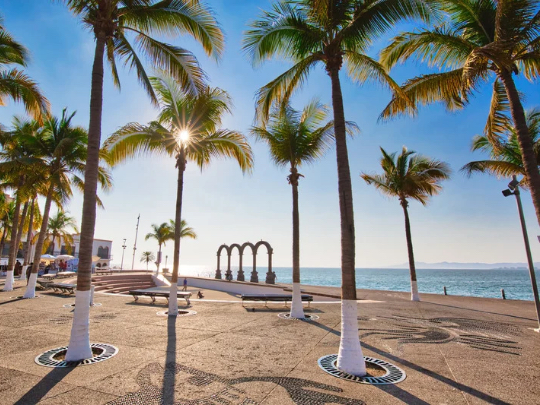
The city center comes alive with beautiful altars and decorated skulls. Along the Malecón, you’ll find altars paying tribute, in creative and respectful ways, to Mexico’s famous figures and local heroes.
La Catrina
You’ll see La Catrina, death dressed as an elegant woman, all over town during the season. The most famous is the iconic Great Catrina statue, which stands over 28 meters tall. Recognized by Guinness World Records, this towering figure draws the attention of both locals and visitors alike. Designed by local artists, it’s a must-see when visiting the Day of the Dead in Puerto Vallarta.
To stay close to all the action during the Day of the Dead in Puerto Vallarta, check out our top vacation rentals in the city.

How to Take Part as a Visitor
- Walk the Malecón and downtown to see the altars and the Great Catrina. The altars honor real people, so take your time and enjoy them respectfully.
- Try the seasonal foods: pan de muerto, tamales, mole and a warm cup of atole.
- Ask our Concierges for the best times to visit the boardwalk and enjoy all that the city has to offer.
We highly recommend taking a stroll through downtown Puerto Vallarta during the Day of the Dead celebration to soak in the vibrant colors and cultural magic. Day of the Dead in Puerto Vallarta will surely leave a lasting impression on your heart and make your stay unforgettable.